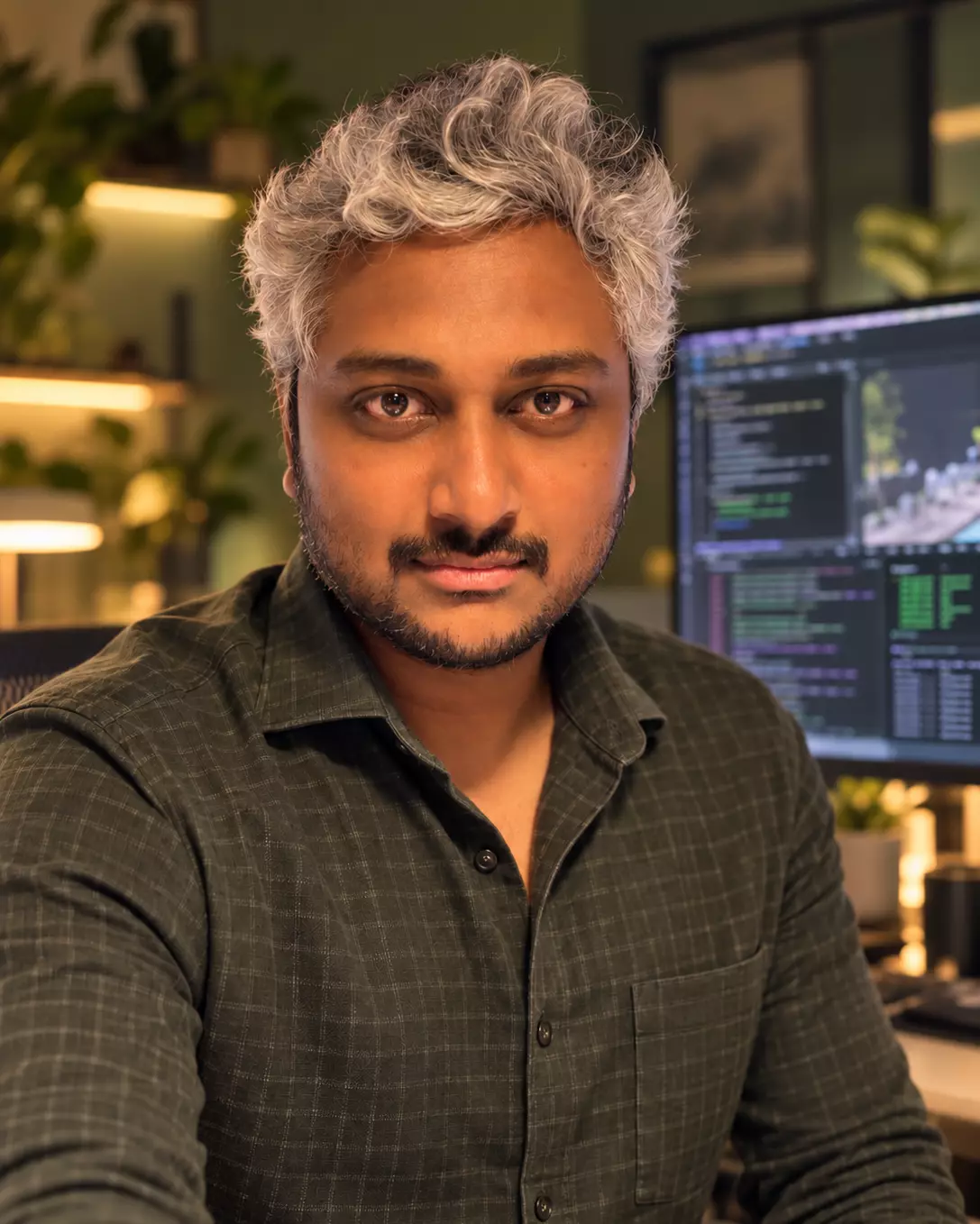
I build intelligence that moves beyond the screen.
I'm Krishna, senior staff engineer at Accenture in Munich, with 10+ years in AI and robotics. I build physical AI: I take foundation models for vision and language off the benchmark and onto real robots that see, decide and act in real time.
Before that, five years of automotive perception at ESR Labs, from ML engineer to head of perception, shipping networks on embedded hardware in cars. Today: humanoid teleoperation and foundation-model manipulation.
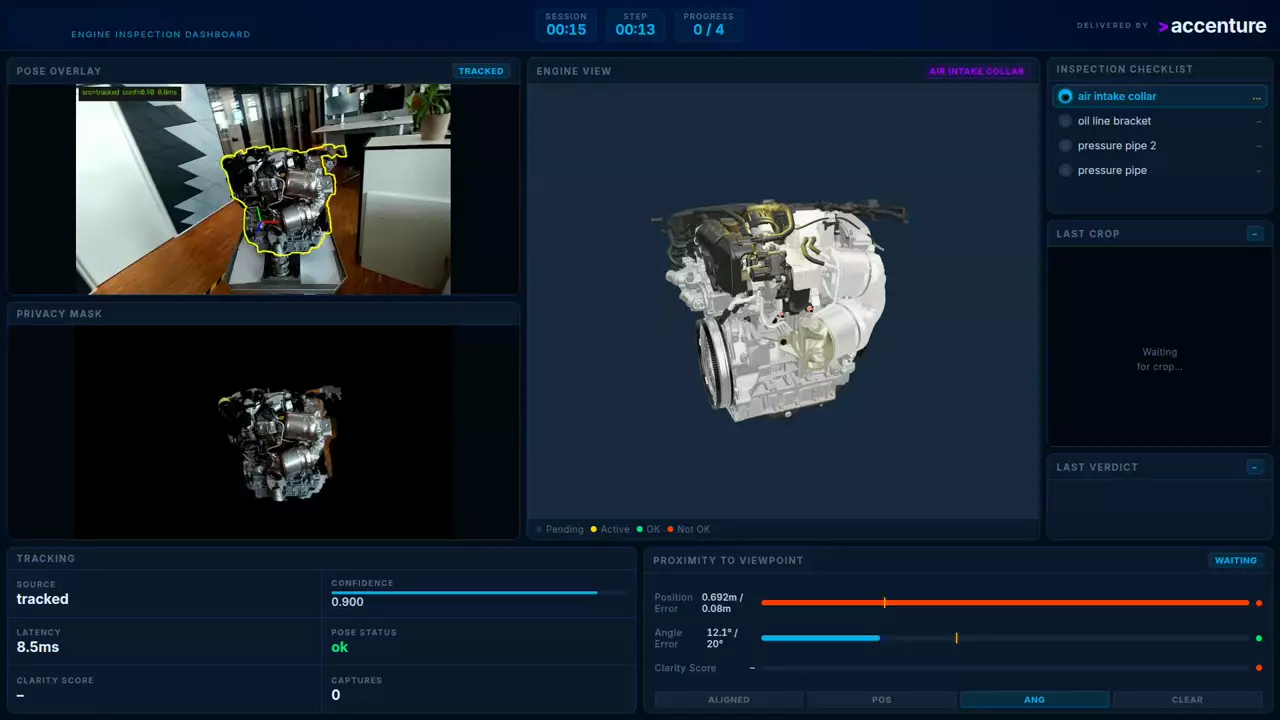 3.45×LightSpeedGlue speedupAR-guided OEM parts inspection
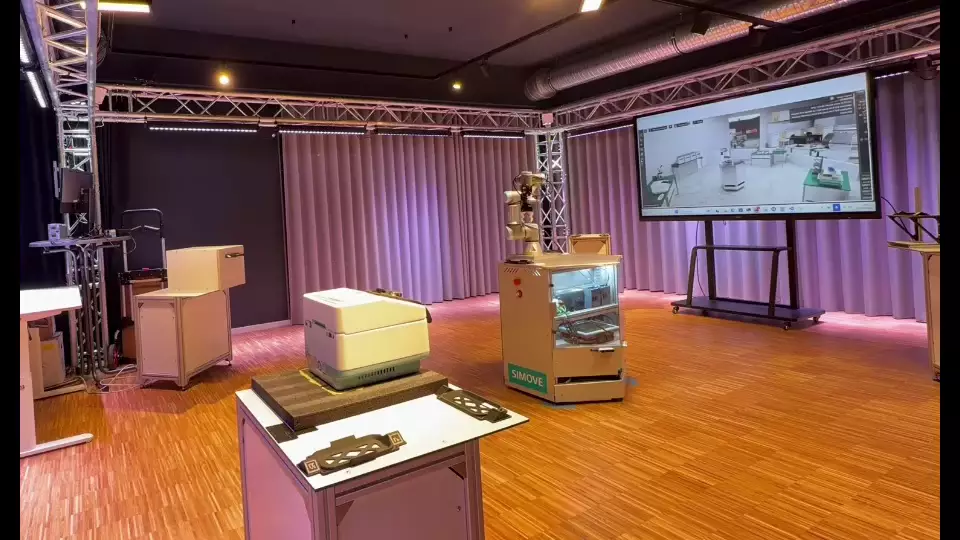 0 humansin the loopLab of the Future
 < 1 mmend-to-end errorUnderbody unscrewing
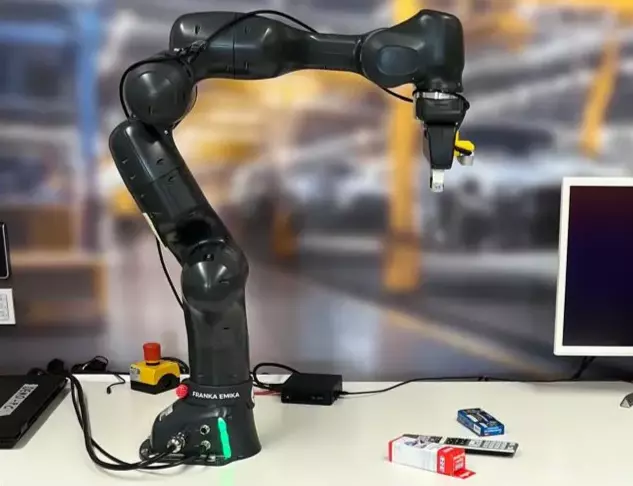 3 armsone robot interfaceLLM-powered cobot manipulation
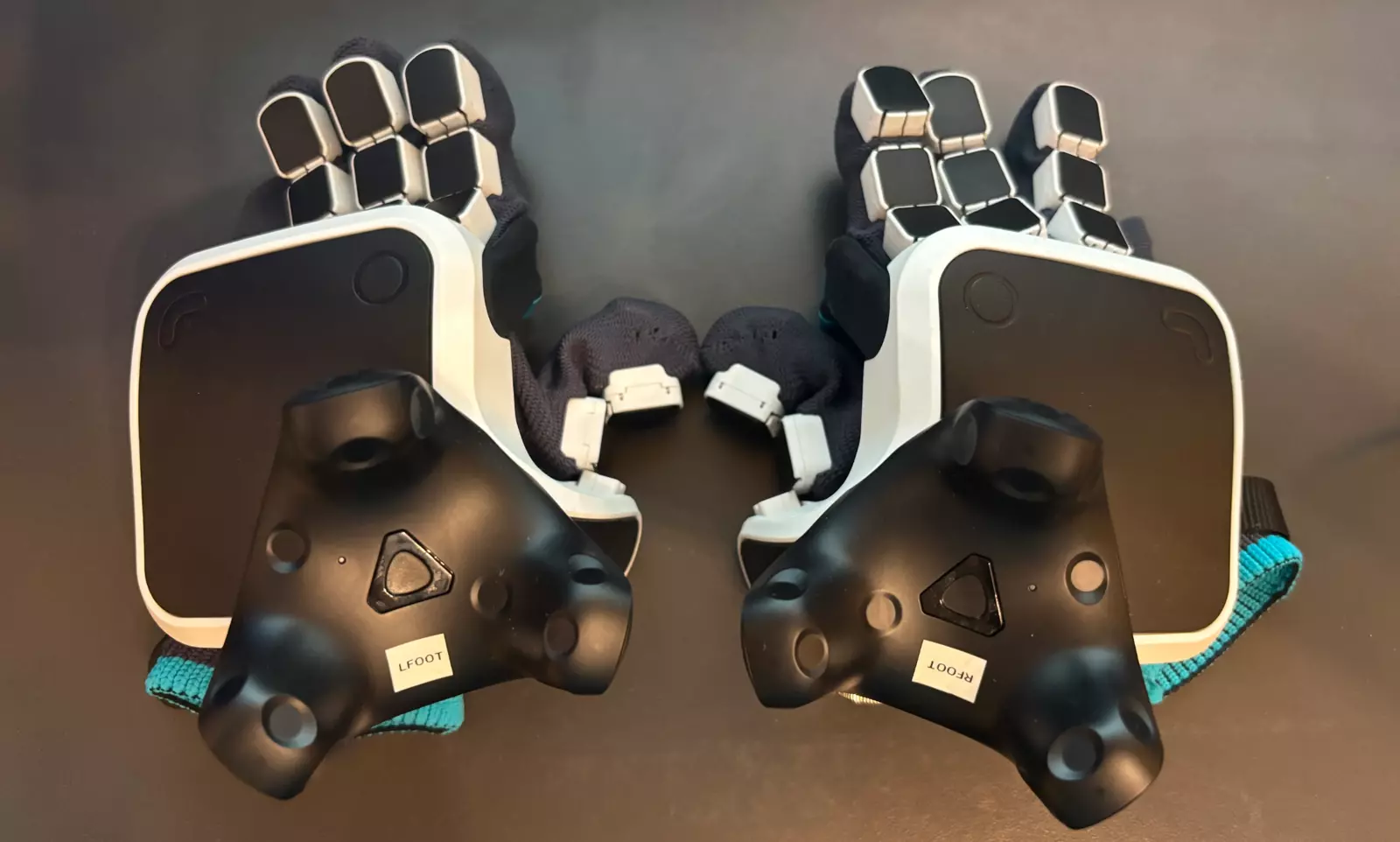 100 Hz+sensor streamHumanoid teleoperation
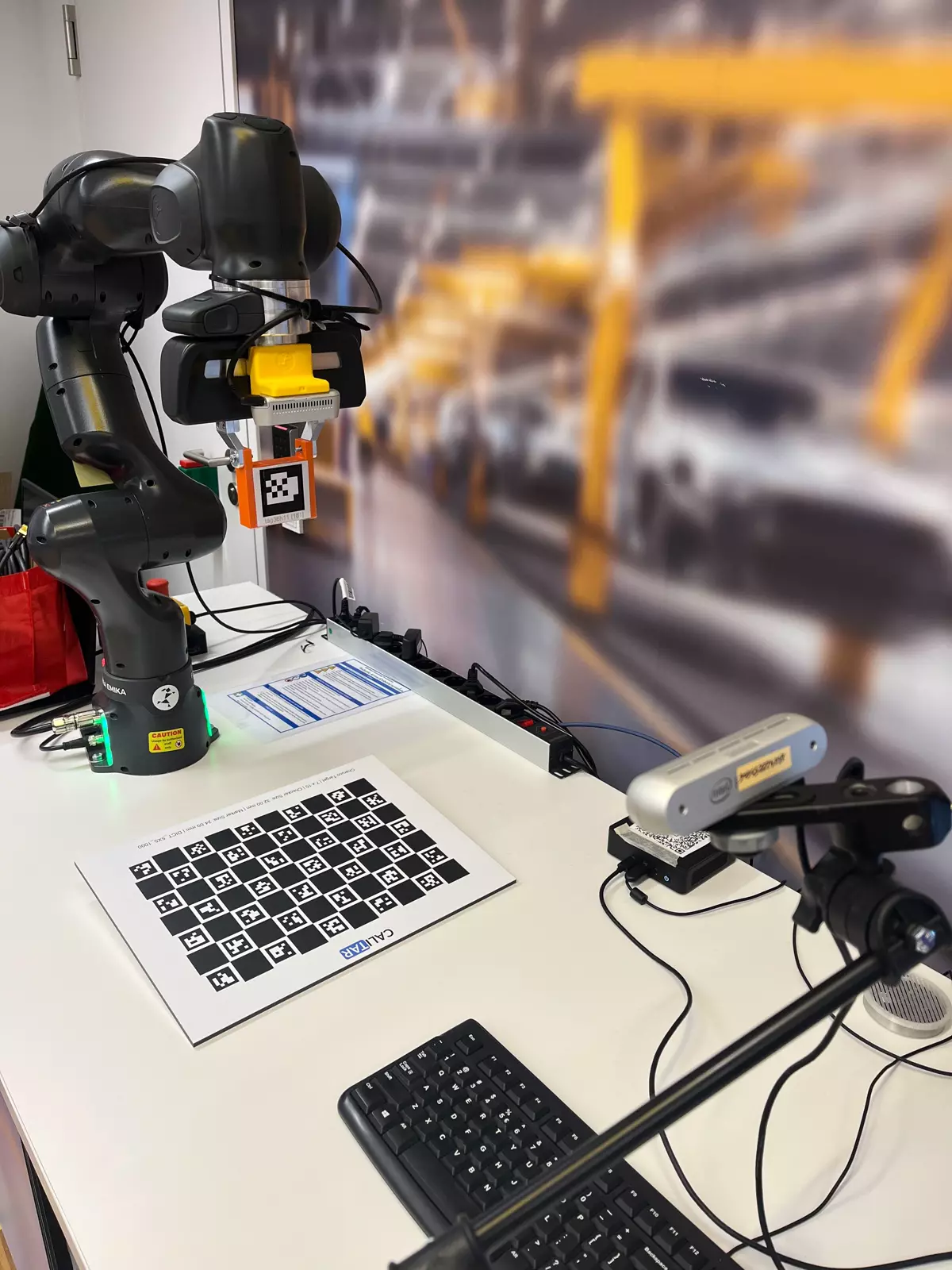 0.03 mmown solver vs OpenCVHand-eye calibration, three ways
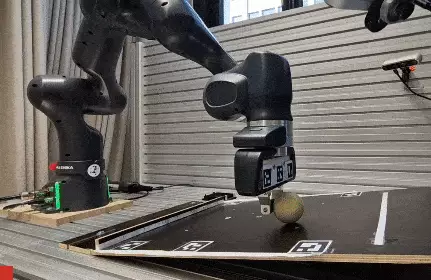 0real-robot trainingSim-to-real RL ball pushing on a Franka
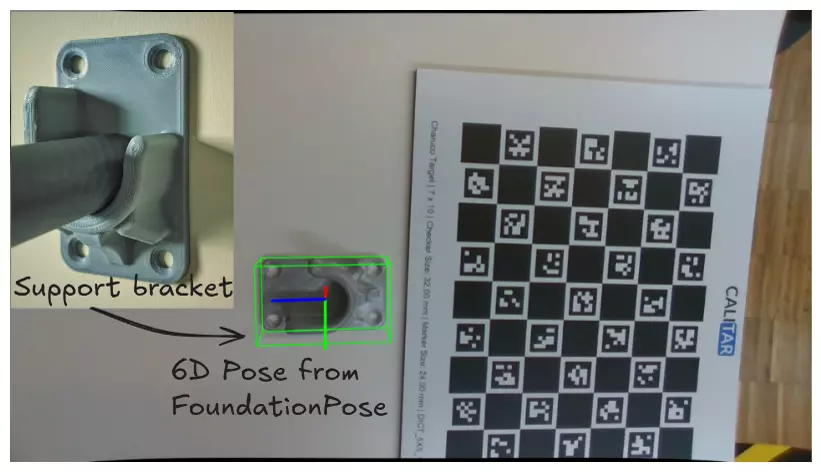 2.31 mmmean pose error, ZividFoundationPose, measured
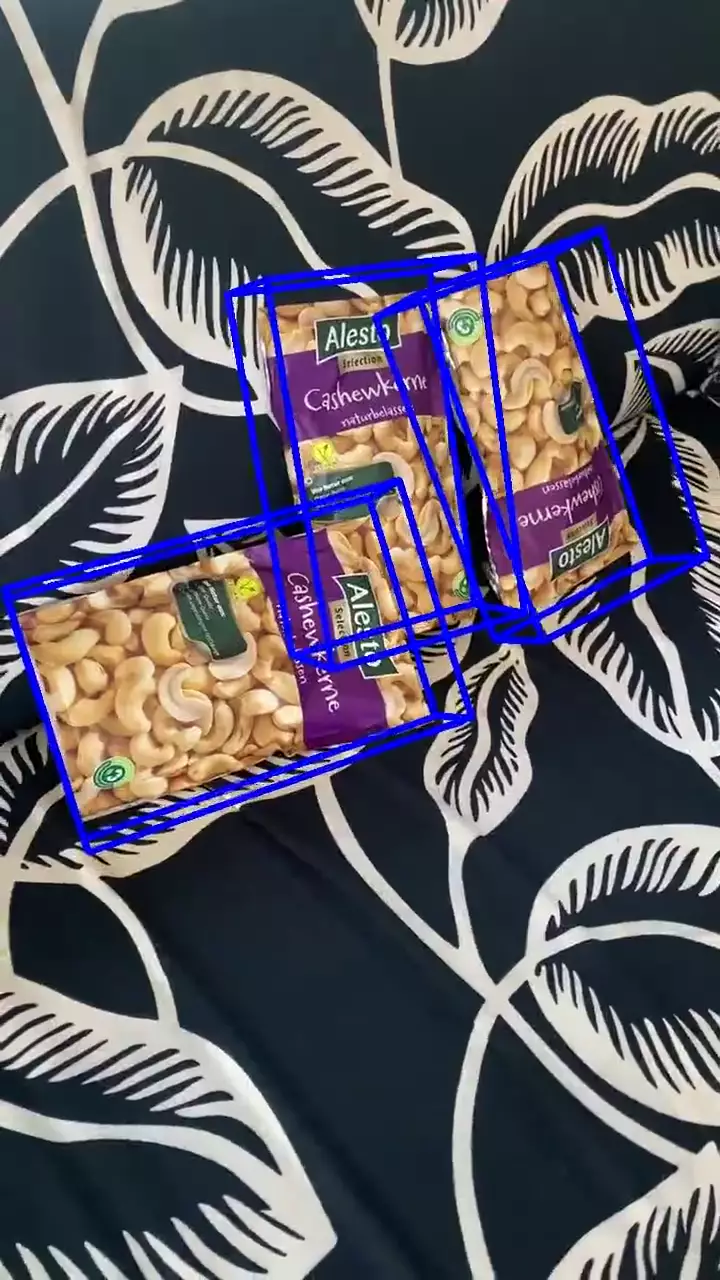 45°LoFTR rotation limitTraining-free 6D pose (OnePose++)
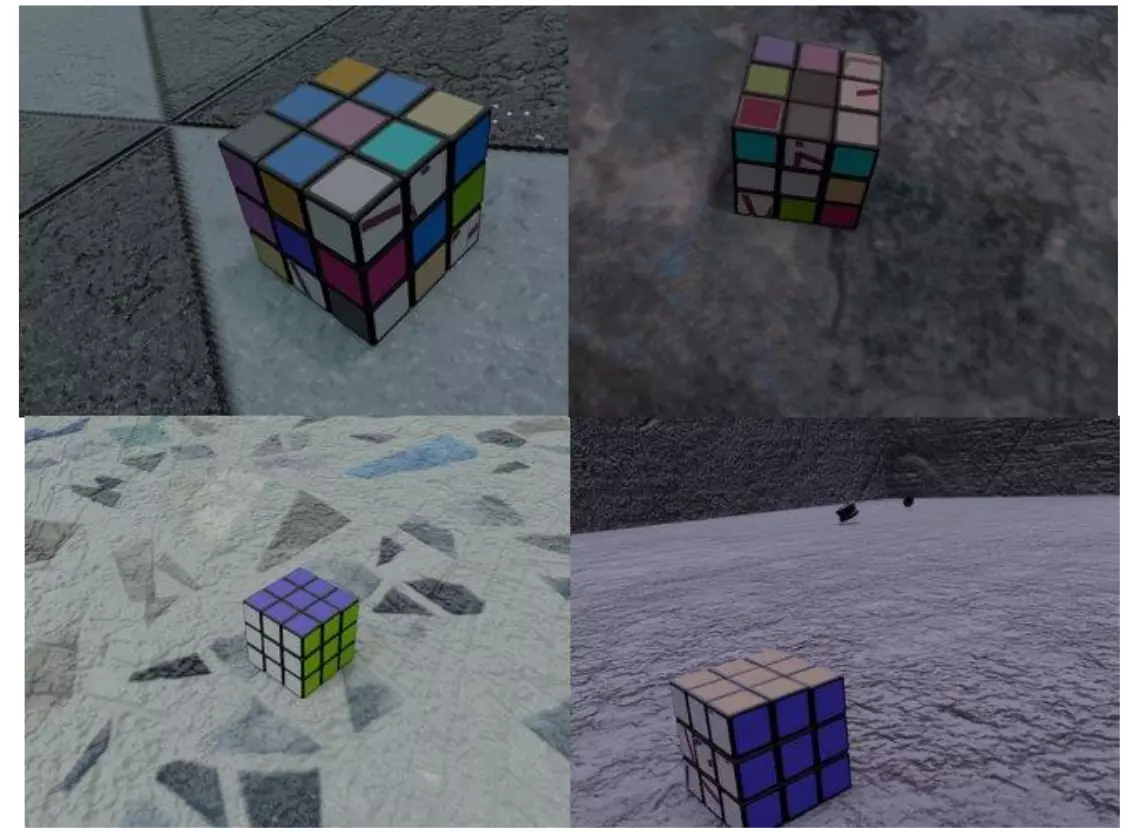 GroupNormreplaced BatchNorm6D pose from synthetic-only data
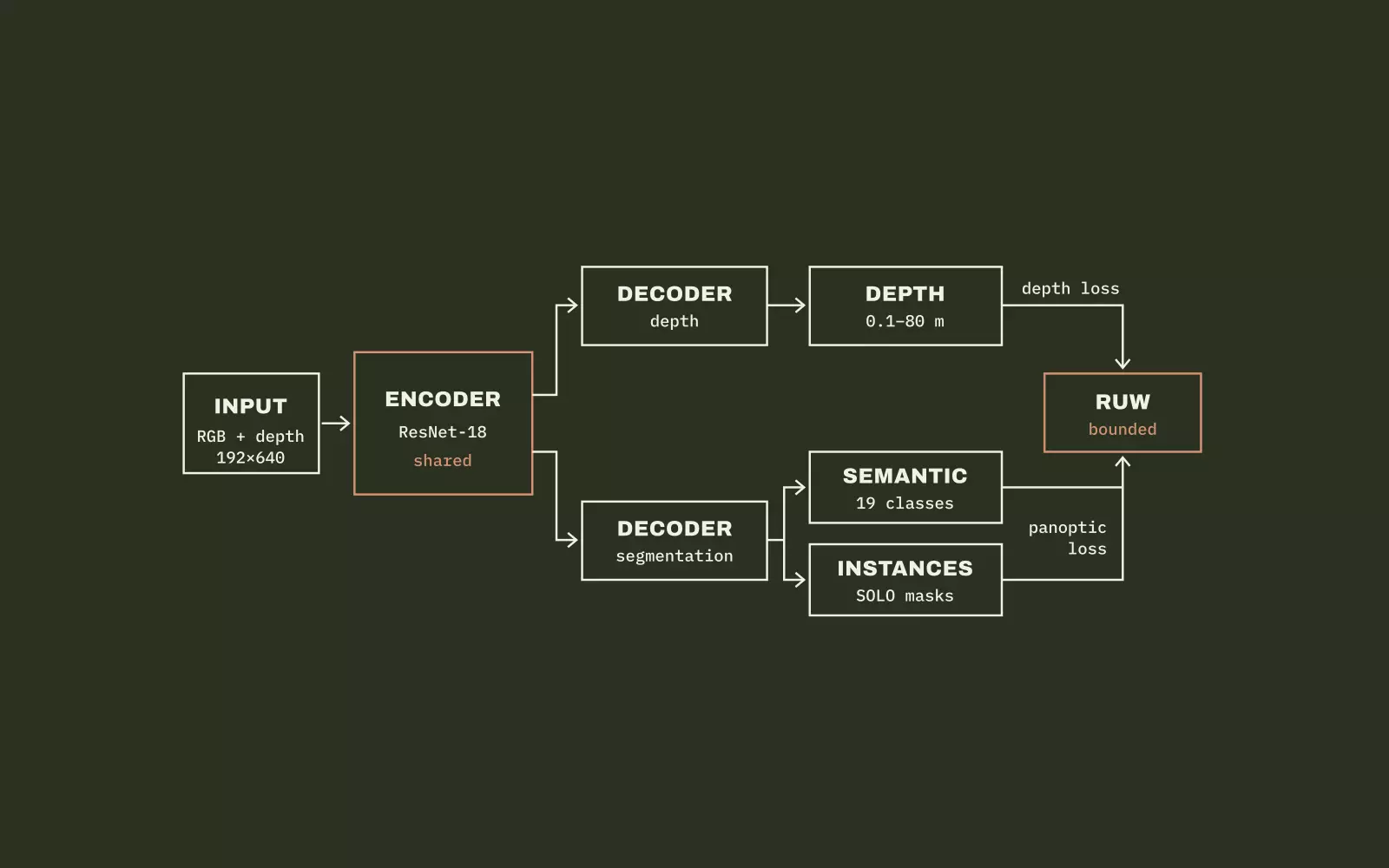 3 → 1networks, better depthPerception trilogy: one encoder, 3 tasks
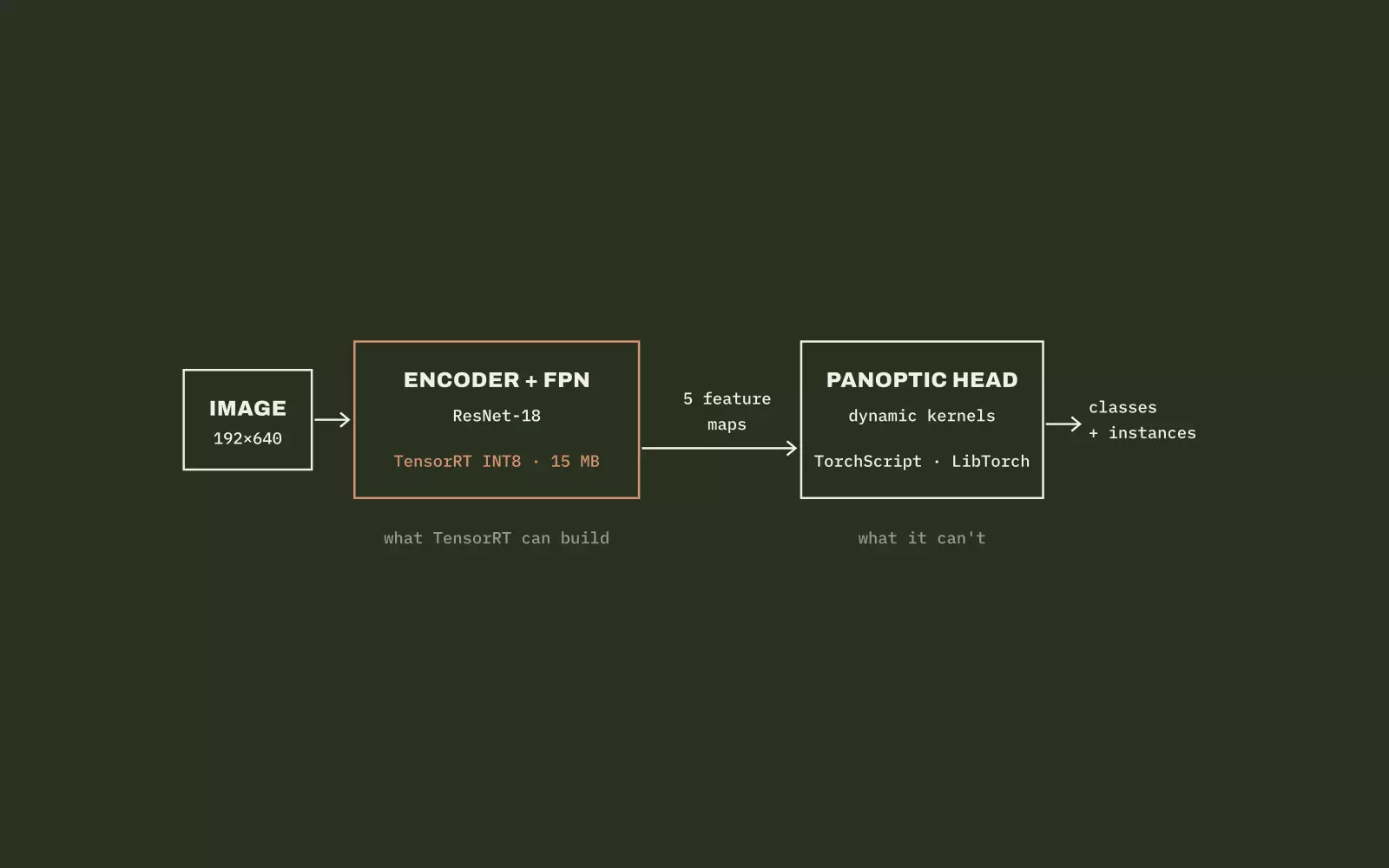 15 MBINT8 encoder on AGXPanoptic segmentation on embedded hardware
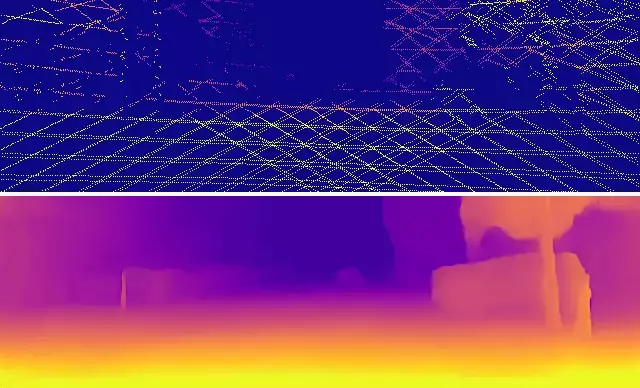 1 layerends mono uncertaintyReal-time depth completion
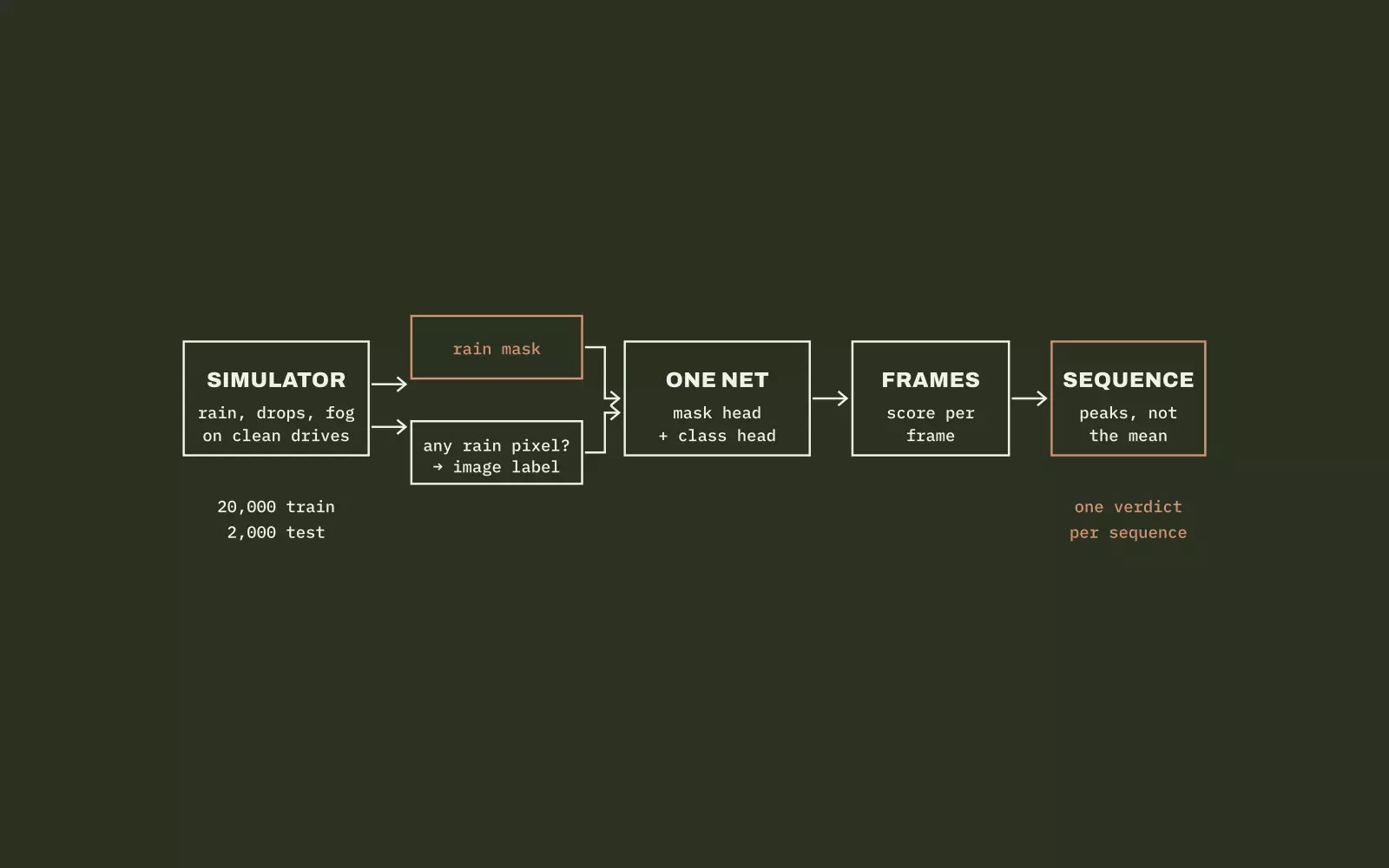 22,000synthetic rain imagesRain detection for camera blindness
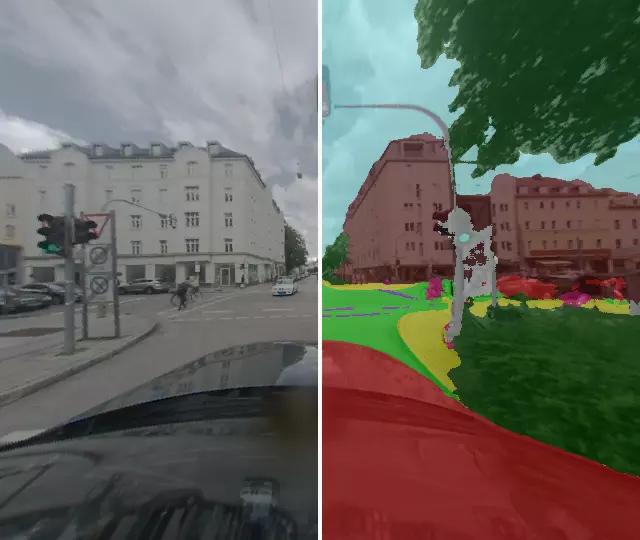 0.0 mIoUlost to quantisationReal-time segmentation for cars
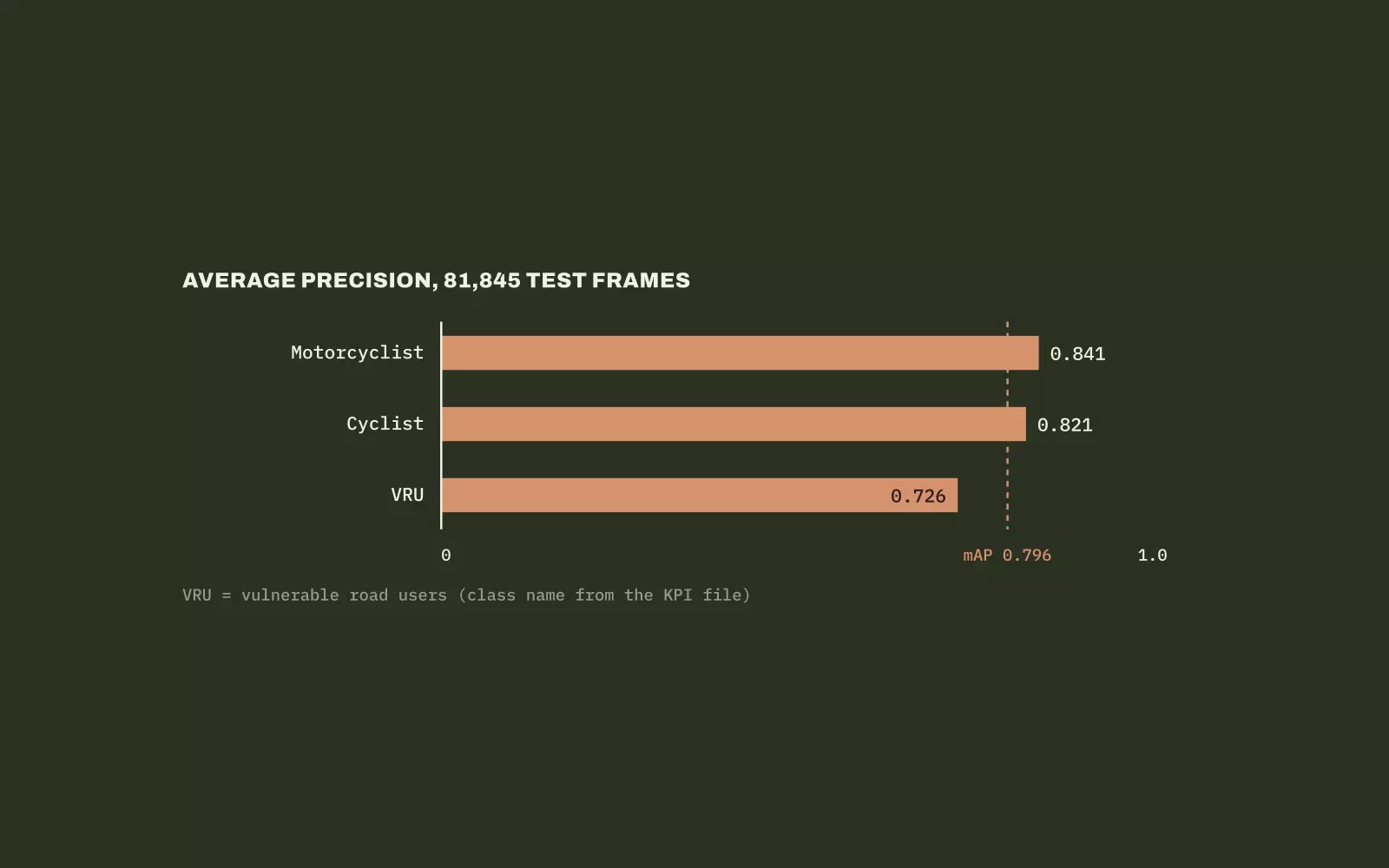 0.796 mAP3 road-user typesVideo object detection and tracking
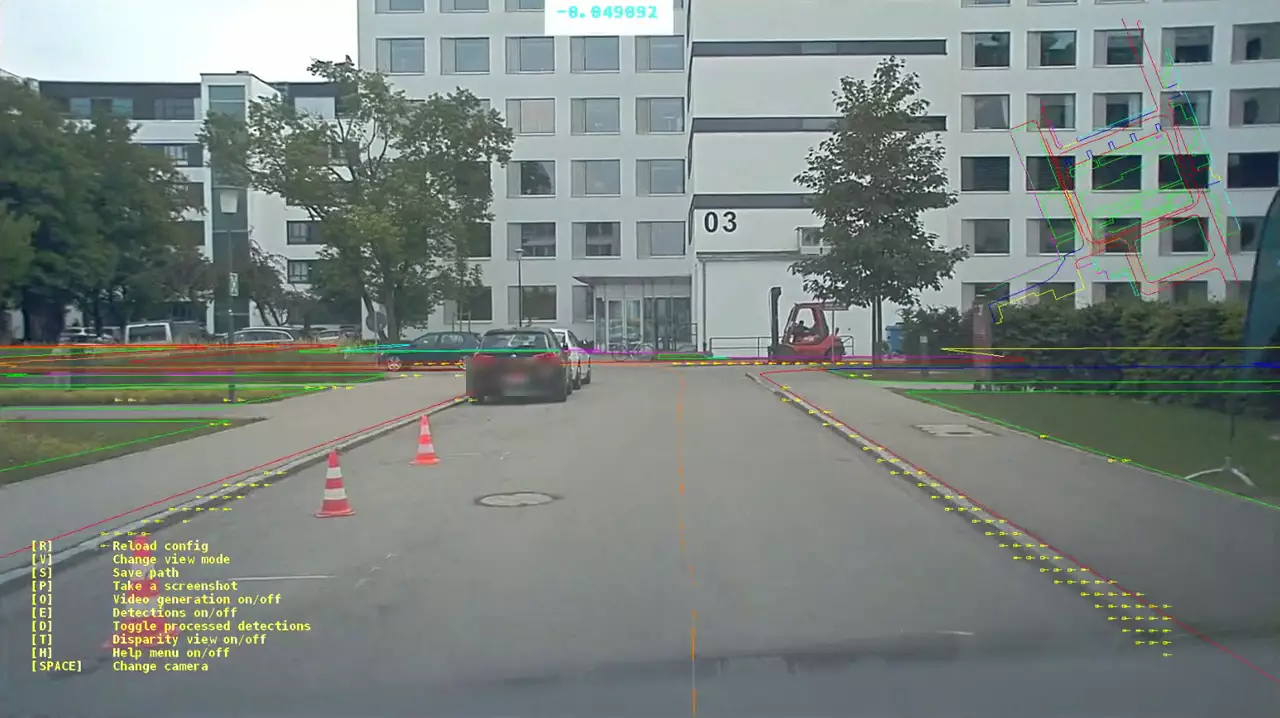 1 weekto build the debuggerCamera localisation on Drive PX
Path so far
2014 – now- 2014 – 2017MSc Computer Science · Kaiserslautern
Master thesis at Audi Electronics Venture: anticipating lane changes and turns from driver video and CAN data, ~90% accuracy.
- 2017 – 2022ML engineer → Head of perception, autonomous driving · ESR Labs
Segmentation, detection, depth and rain detection for cars, from training to INT8 engines on Drive PX and Drive AGX. Head of perception from 2020.
- 2023 – now · AccentureSenior staff engineer · perception & robotics
OnePose++ and FoundationPose on a Franka FR3, hand-eye calibration, a first glove prototype. Then LLM-driven cobots, lab automation on a UR5e, and humanoid teleop from Isaac Lab to a real Unitree G1.
Move your pointer over the cell. The arm solves inverse kinematics every frame.
- θ₁
- 0.0°
- θ₂
- 0.0°
- x
- 0 mm
- y
- 0 mm
Rules for building robots
Learned on real hardwareA pose is only useful if you can trust it.
Before a model goes on a robot, measure it on your object, your camera and your lighting. Benchmarks don't tell you how it fails in your cell.
Write the robot layer once.
Skills only see one small robot interface, never the arm behind it. Porting from a Franka to a UR5e took three days, not a rewrite.
Document the limitations, not just the wins.
Every write-up ends with what broke. The next iteration starts with better questions.
Latency is a design choice.
Gloves and trackers over camera hand-tracking, TensorRT over raw PyTorch. Compute, memory and throughput come up in almost every project.
Toolbox
Programming & scripting
- Python
- C++
- CUDA
- Bash
AI frameworks & vision
- PyTorch
- TensorFlow
- ONNX
- OpenCV
- Open3D
- COLMAP
Model optimisation
- TensorRT
- quantisation
- pruning
- knowledge distillation
Agentic AI & LLMs
- Claude Code (skills, agent workflows)
- LLM tool calling
- Ollama & local LLMs
- OpenAI / Azure OpenAI
- TensorRT-Edge-LLM
Robotics & simulation
- ROS 2
- Isaac Sim / Isaac Lab
- Isaac ROS
- MuJoCo
- MQTT
Robotics hardware
- Unitree G1
- Booster T1
- Franka FR3
- UR5e
- Trossen Viper 300s
- reBot Arm B601-RS
- RealSense & Zivid cameras
- SenseGlove Nova2 & Manus gloves
- HTC Vive trackers
Tools & platforms
- Docker
- Git
- Linux
- NVIDIA Drive PX / AGX
- DGX Spark
- Jetson
- Blender
- Bambu Studio (3D printing)